Westminster is not proposing a borough-wide ban on drinking while standing up. Its draft licensing policy does, however, make a predominantly seated operation, waiter service and restrictions on standing relevant to some applications in the West End.
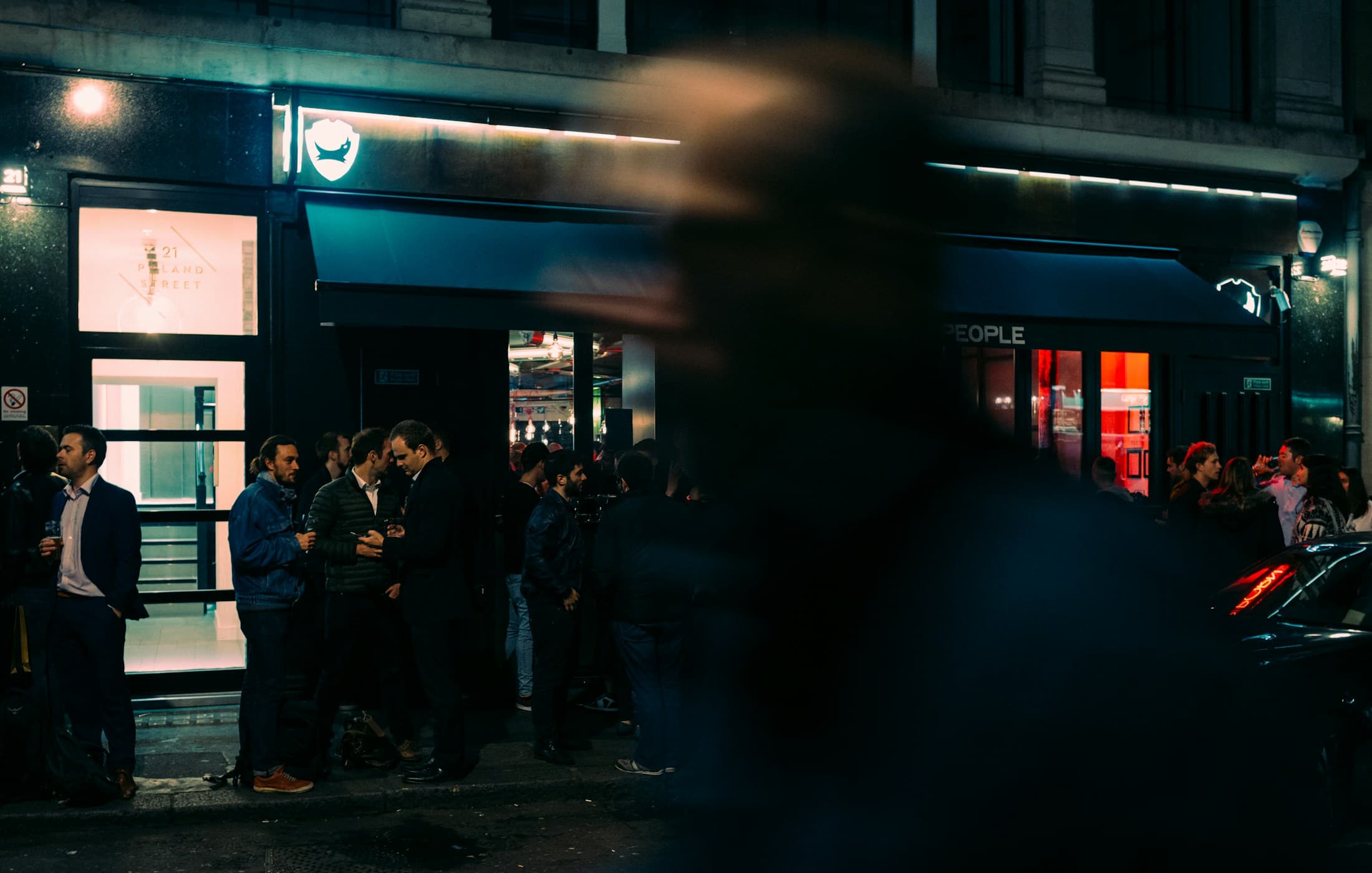
That distinction has been blurred in a political row over what the council calls “vertical drinking”. The phrase simply means consuming a drink while standing, often in a busy bar or outside a pub.
What the draft actually says
The draft Statement of Licensing Policy says Westminster wants to discourage excessive drunkenness and encourage more seating and table service instead of open-bar spaces designed for high-volume standing trade.
The most restrictive wording sits inside the policy for the West End Cumulative Impact Zone, which covers Soho and other heavily licensed parts of the West End. For pubs, bars, fast-food premises and venues offering music, dancing or similar entertainment, the draft creates a presumption that relevant applications will be refused. It also says every application must still be considered on its individual circumstances and that the policy will not be applied inflexibly.
In that context, paragraph D171 says reducing opportunities for vertical drinking could help an applicant address the reasons behind the restrictive policy. It gives fixed seating, a minimum number of seats and waiter or waitress service as possible measures. Crucially, the same paragraph says those measures alone are unlikely to justify an exception.
Who could be affected?
The council's separate draft Good Operator Guidance is clearer about scope. It says new and variation applications inside a cumulative-impact zone are assessed against the relevant policies and may need to show why they should be treated as an exception.
The guidance lists a predominantly seated layout and waiter service replacing standing trade among several measures an applicant might offer. Others include a substantial capacity reduction, earlier terminal hours, restrictions on off-sales and stronger dispersal arrangements.
This does not automatically alter the licence conditions of every existing Westminster pub, and it does not stop a customer standing at the bar under an existing licence. An existing operator could encounter the policy when seeking a variation, such as later hours or a capacity change, but the proposal would still be decided on its facts.
Why the language caused a backlash
BBC News reported that Westminster has about 500 pubs, bars and wine bars, plus roughly 1,750 cafes and restaurants - more licensed venues than any other UK borough. The current policy took effect on 1 October 2021, and the revised policy must be published to take effect on 1 October 2026. The consultation closes at 5pm on 9 August.
The Guardian reported strong criticism from Downing Street and the mayor of London, while operators warned that more restrictive conditions could damage the West End's night-time economy. A government spokesperson described busy pubs as part of “British life” and stressed the jobs they support.
The Guardian later amended its subheading from “banning” vertical drinking to “reducing” it. That correction matters: the council's documents describe possible ways to reduce cumulative impact, not a general prohibition on standing customers.
Westminster council leader Paul Swaddle responded that there was “no plan, and never has been” to ban drinking while standing in a Westminster pub. In an official statement, he said the aim was to keep streets safe while allowing the city's nightlife to thrive.
The wider licensing argument
The dispute exposes a real policy tension. The government's National Licensing Policy Framework, published in November 2025, tells authorities to support investment and growth while protecting communities. It says licensing decisions should be evidence-led and proportionate, and that blanket conditions should be avoided.
But that framework is non-statutory and explicitly preserves a licensing authority's discretion to decide each application on its merits. Westminster, meanwhile, argues that the concentration of licensed premises in the West End creates cumulative problems involving crime, disorder and public nuisance.
The practical question is therefore not whether standing with a pint will be outlawed. It is how heavily seating, table service, capacity and hours should weigh when a business asks for a new licence or a variation in one of London's busiest nightlife districts.