
When Tom Noble offered to deliver wine himself for £250, his first customer booked that day. The buyer was a LinkedIn follower in Banbury. Noble says he went over the next day and stayed for a chat.
“We sat and had a glass of wine, one of the whites, and chatted for an hour.”
The offer began with a less entertaining problem. Wine is heavy, postage is expensive, and customers are reluctant to pay for it. Noble had decided to offer free postage on six bottles, then added the option of a personal visit.
It is a useful introduction to Château Noble. The founder has a knack for turning the practical difficulties of selling wine into something people will talk about. Whether that attention can finance the next order is a more pressing question.
Four bottles short
Noble traces the business to a holiday in Provence and a glass of rosé at Château Mouresse. He had found the vineyard through Park4night, an app for people travelling in vans. After a conversation with the owner’s daughter about bringing the wine to Britain, he decided to try.
His test was modest. He bought 20 bottles and announced on LinkedIn that he would start a wine business if he could sell them all. Six went within seven hours. The total stopped at 16.
He posted that he would not be going ahead. That announcement, he says, received a quarter of a million views and persuaded him to reconsider.
The name was equally improvised. He crossed out Château Mouresse on a label and wrote Château Noble in its place. “I thought it was really funny.”
Finding more wine required another kind of persuasion. At the London Wine Fair, Noble says, the producers he spoke to wanted minimum orders of around 1,000 bottles. His starting budget was £5,000.
“What if I buy 150 bottles each and come and pick them up myself? Would you do it then?”
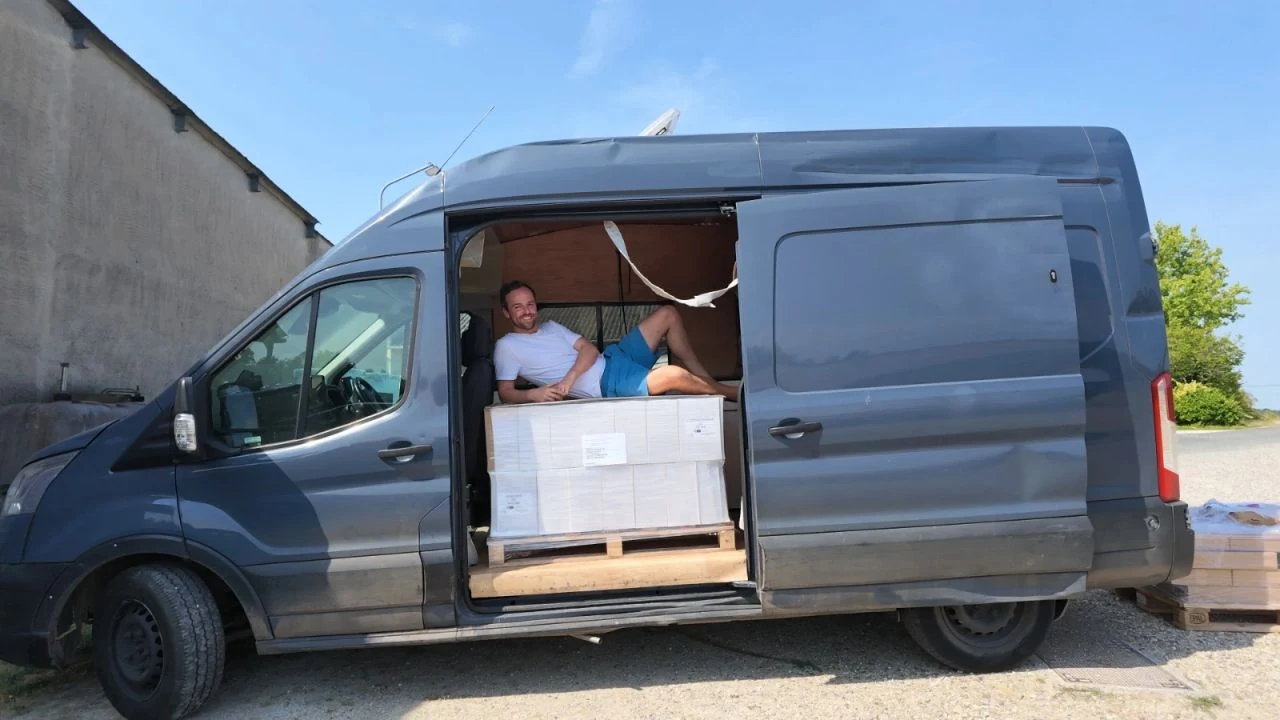
They agreed. He says that within two months of meeting his Bordeaux supplier at the fair, he was collecting wine from the vineyard in his girlfriend’s van. Taking on the transport also meant working through the customs paperwork himself. His small order was possible because he was willing to do more of the work.
A smaller choice
For customers, Noble wants to keep the decisions manageable. His idea is to visit a country and find a red, white, rosé and sparkling wine to bring back. He thinks the industry can make choosing a bottle unnecessarily intimidating.
“It’s almost become art, like going to an art gallery and not understanding what’s going on.”
His own selection has also involved chance. A supplier mix-up brought him a Bordeaux white which, he says, became his favourite.
The labels have been less settled. He tried replacing the crossed-out originals with a design he thought would be better, then regretted it. He rated the new labels three out of ten, when he thought they should have been either one or ten. He asked his online audience about hand-drawn labels and used them on what he describes as his last 100 bottles. Another rebrand was planned when he answered our questions in late October.
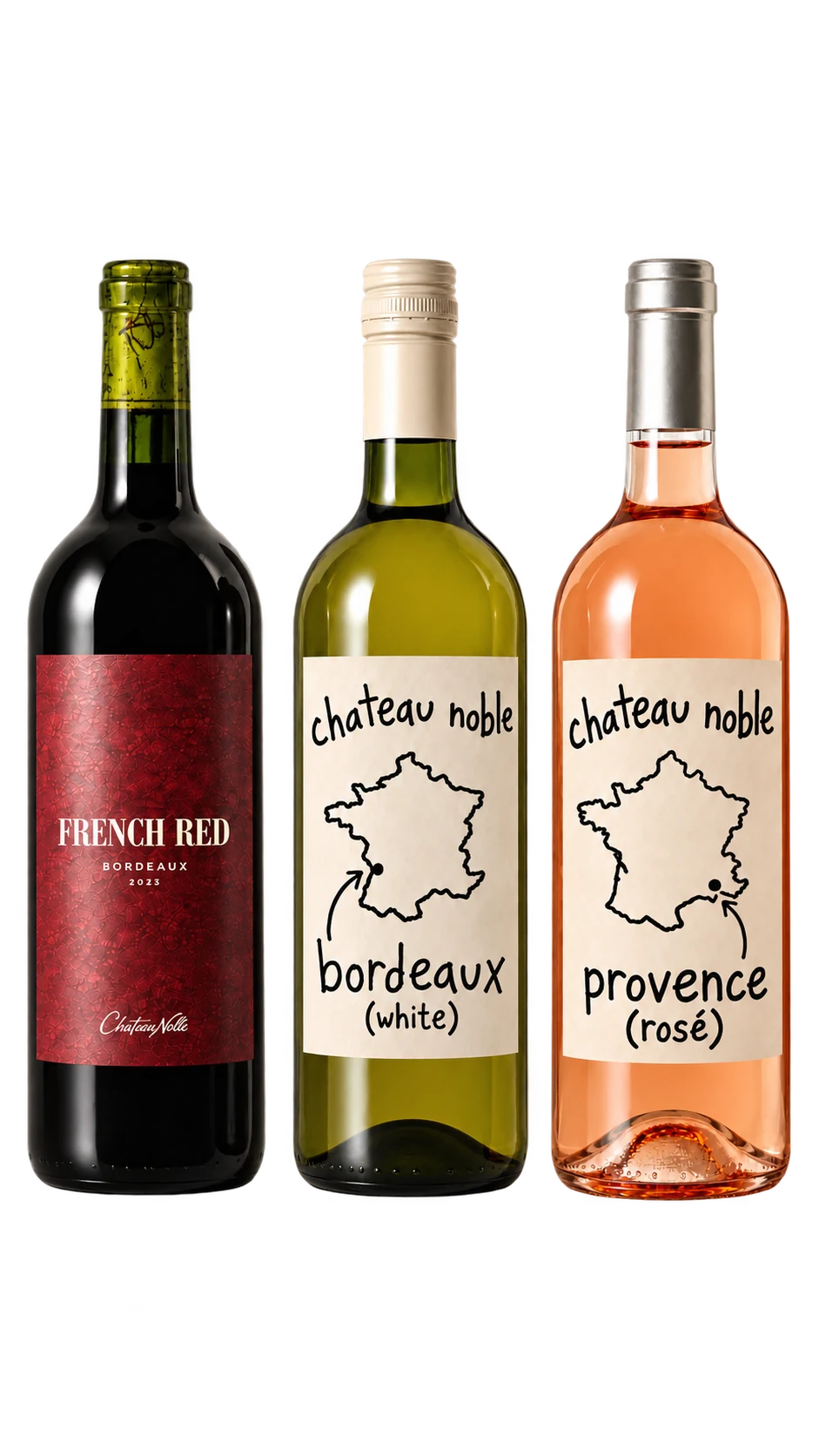
The willingness to show an unfinished business gives followers something to follow. It also leaves Noble explaining the difficult parts in public.
The paperwork behind the bottles
One of those was applying for approval under HMRC’s Alcohol Wholesaler Registration Scheme, or AWRS. Noble says he already held a personal licence, while the premises licence was held at the London warehouse storing his wine.
For the AWRS application, he says he gathered supplier checks, bank and funding information, and records of his imports and VAT payments. He used the AI assistant Claude to organise the documents and build a filing system. The application still had to satisfy HMRC.
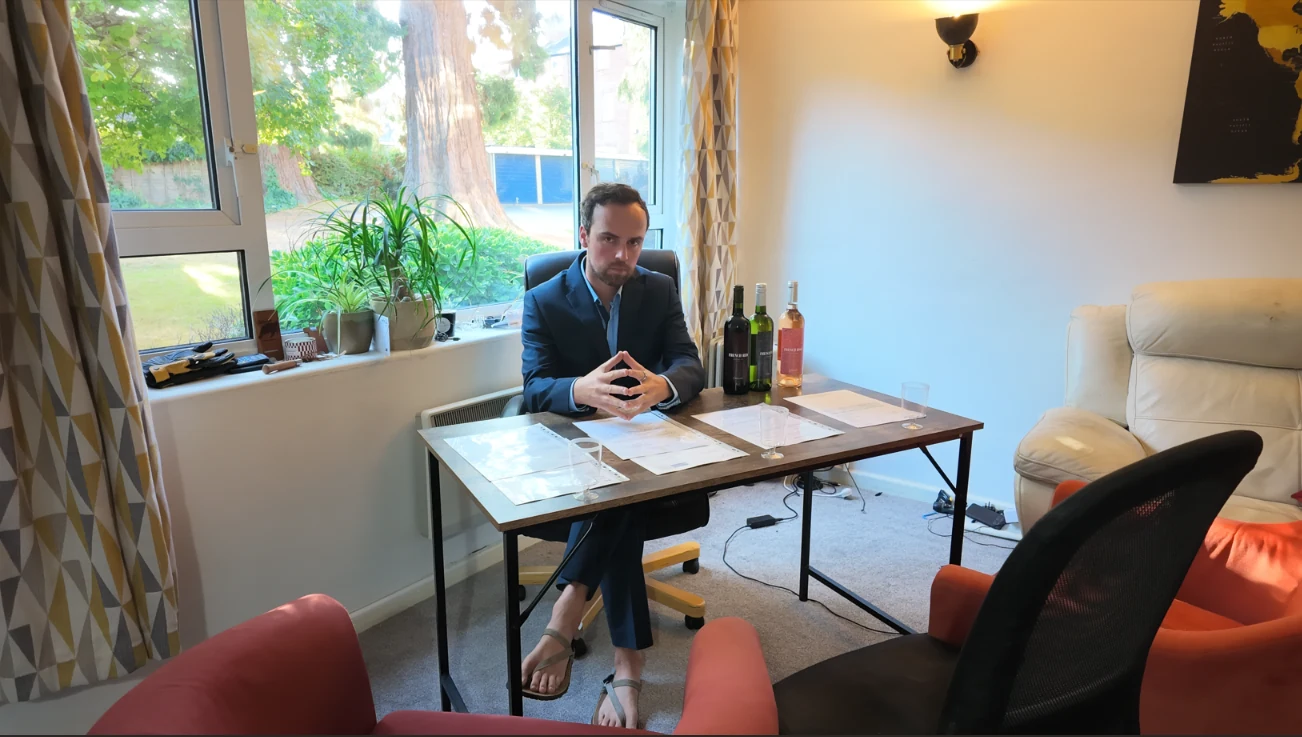
The anticipated ordeal at home was rather more sociable than he expected. Three officials arrived, Noble says, having shared a car because they were visiting several applicants in the area. Someone had warned him to expect a four-hour grilling. The visit lasted about 45 minutes.
“One of them even asked about my Warhammer.”
He supplied some missing information afterwards and says approval followed, with the whole process taking about 40 days.
That is his experience, not a timetable other applicants can rely on. HMRC says new wholesalers who need AWRS approval must apply at least 45 calendar days before they intend to trade. Its guidance says applications usually take up to 45 calendar days but can take longer if further information is needed. A pre-approval visit is possible, rather than a compulsory home visit for every applicant.
Putting a price on the visit
Noble sees wholesale as one way to grow a business constrained by the cost of sending heavy bottles to individual customers. The £250 delivery offer approaches the same problem from a different direction, giving buyers time with the person behind the brand.
By his 28 October reply, he said he had sold five personal-delivery bookings. Alongside Banbury, he listed Lincoln, Guernsey and two London bookings. Those were sales, not five completed visits: Lincoln was still outstanding.
The economics depend on the journey. London might leave a little profit, he says; a trip as far as Aberdeen would be much less attractive. A memorable offer still has to cover travel and the founder’s time.
The initial post attracted 200,000 LinkedIn views, according to Noble. The five bookings he reports are a more useful measure of what happened next. They suggest that some people would pay for the encounter, without yet establishing a repeatable business on any larger scale.
Paying for the next order
Noble’s bigger concern is stock. He says he had been selling for about three months when he answered our questions, and that the business was growing. But money coming in has to finance more bottles.
“So the issue is actually having any money to live on and to do marketing.”
Being candid about that has its own cost. He worries that public accounts of financial difficulty can make raising money harder, even when he considers the business to be doing well.
For now, the wholesale approval gives him an option rather than marking an immediate change of direction. In late October, he said direct sales through his website remained the priority, with Black Friday and Christmas ahead. He was planning a vineyard trip to Hungary after a contact on TikTok, but also needed finance to replenish nearly sold-out stock.
Château Noble has already supplied plenty of material for the next LinkedIn post. The next shipment requires something less visible: enough money left in the business to buy it.